

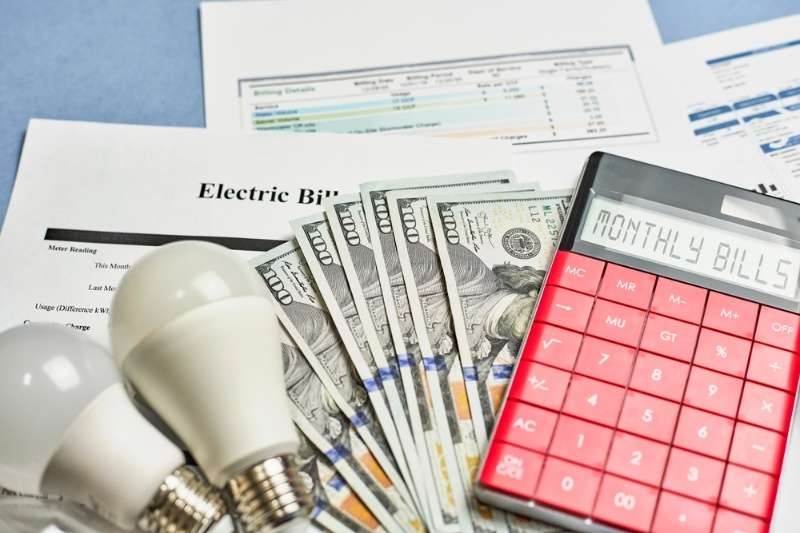
Monthly utility bills sneak up on all of us. Electricity, water, heat, and those extra services pile up fast—and suddenly, your budget feels a little tighter than you expected. Most people want quick, no-nonsense ways to cut down on these bills so they can keep more money in their pockets.
Let’s talk about a few ways to trim those utility costs and pick up some habits that actually make a difference at home.
Let’s take the guidance for saving money on utility bills here:
First step? Figure out where you’re wasting energy. That’s what a home energy audit is for, and honestly, it’s a must if you want to get serious about cutting costs.
You’ll go through your appliances, lighting, insulation, and heating or cooling systems. You’re just looking for the weak spots. Maybe your fridge is ancient and guzzling power, or your attic needs better insulation. Spotting these issues is the first move toward real savings.
After the audit, you’ve got a plan. You know exactly where your money’s slipping away, so you can start fixing the biggest problems first.
For most people, electricity takes up the largest slice of the utility pie. The good news: a few easy habits can make a real impact. Turn off lights and electronics when you’re not using them. It sounds simple, but a lot of power drains away just from things left in standby mode.
Swap out old bulbs for LEDs. They use less energy and last way longer, so you won’t be changing them every few months. And whenever you can, let in some sunlight instead of flipping on a lamp—open the curtains and enjoy the free light.
Stick with these small habits, and you’ll notice lower bills before too long.
Heating and cooling eat up a lot of energy, especially during extreme weather. But there are ways to stay comfortable and still save money. Try dialing down your thermostat a bit in the winter or bumping it up in the summer. Just a degree or two makes a difference.
Don’t skip regular maintenance. Swap out filters or clean them, and schedule a service check now and then. These small steps keep your home comfortable and stop your bills from creeping up.
Modern appliances just work smarter. If you’re still using that old fridge or washing machine, it’s probably time for a change.
Look at your refrigerator, washing machine, or air conditioner. The latest energy-efficient models use less power and get the job done better. Sure, there’s an upfront cost, but over time, you’ll see the savings on your monthly bills.
A lot of energy-saving guides suggest this, and for good reason—it works.
Water bills are another place where money trickles away, sometimes without you noticing. Fix leaks fast. Even a slow drip adds up over a month. Install water-saving showerheads and taps—they cut down your usage without messing with the pressure.
And don’t leave the water running while you brush your teeth or wash dishes. Habits like these may seem minor, but when combined, they cause a significant reduction in your water bill.
Both laundry machines and dishwashers consume quite a bit of water and electricity, so being efficient in using them can have a strong impact on your bills. Wait until you have a full load before running them. That alone saves both water and power. For laundry, stick with cold water—your clothes still get clean, and you’ll use less electricity.
Skip the dryer when you can. Just hang your clothes up to air dry. Dryers use a ton of energy, so cutting monthly utility expenses on them really adds up.
These simple habits help you shrink both your water and electricity bills.
Good insulation keeps your home comfortable and saves energy. A lot of heat escapes through leaky windows, doors, and poorly insulated walls. So, seal up those gaps and add weather stripping where you need it. You’ll keep the warm air in during winter and the cool air in during summer.
Insulation is always at the top of the list for lowering energy costs because it means your heating and cooling systems don’t have to work as hard. It’s a long-term move that keeps your bills down month after month.
There are plenty of gadgets out there to help you manage your energy use. Smart plugs, timers, and programmable thermostats put you in control. A programmable thermostat, for example, adjusts the temperature automatically—no more cooling or heating an empty house.
Using these smart tools helps cut down on wasted electricity. They’re a simple way to keep your monthly costs in check.
If you don’t know how much water or electricity you’re using, it’s hard to know where to save. Most utility companies send out monthly reports showing exactly what you use. Take a look. Sometimes you’ll spot patterns—maybe your electricity use spikes in the summer, or your water bill jumps in the spring.
Once you know when and where you’re using more, you can make changes and bring those bills down. Regular check-ins make a big difference.
At the end of the day, it all comes down to your daily habits. Turn off the lights when you leave a room. Fix leaks as soon as you find them. Use your appliances wisely. The families who stick with these small changes see the biggest drops in their monthly bills.
Saving energy isn’t about one giant leap—it’s about working small changes into your everyday life. Do that, and before you know it, you’re spending less, and your home just runs more smoothly.
Bills like these show up every month, like clockwork. Even tiny changes can add up to a big chunk of savings by the end of the year. The problem is, a lot of us don’t realize just how much energy or water slips away during our regular routines.
When you start paying attention to these bills, you get a better grip on your spending—and your finances just feel a bit more stable. Something as small as switching off a forgotten lamp or tightening up a leaky faucet can put a dent in your monthly costs.
Let’s be real: nobody enjoys handing over money for utility bills. But if you build a few smart habits, you can actually take charge of those costs. Tiny tweaks here and there—like paying attention to how you use water and power—really do add up. Stick with it, and you’ll notice those savings month after month.
Seriously, anyone can do this. Put in a bit of effort, build the right habits, and you get a home that’s both cozy and easy on your wallet.
Turn things off when you’re not using them, fix leaks fast, add a little insulation, and follow some smart energy tips.
Swap in LED lights, unplug stuff you’re not using, and pick energy-efficient appliances.
Execute the following steps: repair those dripping taps, fit a water filter, use conservation gadgets, and do not consume more water than necessary.
When you use less water and electricity, your bills drop. Sticking to simple energy-saving habits keeps your costs down for the long haul.
This content was created by AI