

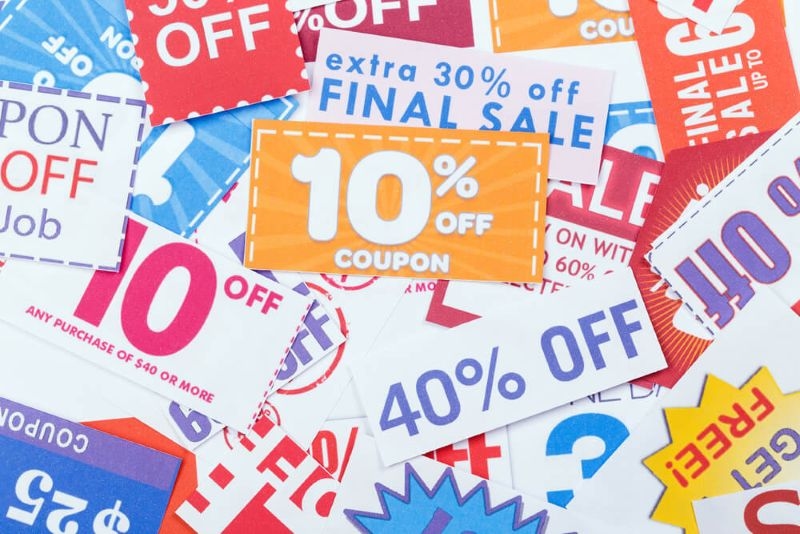
Shopping online just feels normal now—you scroll, pick what you want, hit checkout, and you're done. But here’s the thing: a lot of people lose out on easy savings because they skip that one last step—finding a coupon.
It’s not rocket science to get good at finding deals, but you do need to know where to look and which tricks work. Once you get the hang of it, saving money almost feels automatic. Let’s break down some no-nonsense ways to find coupons and actually get them to work for you.
Let’s start out straight—hunting for coupons doesn’t mean opening 20 random tabs and crossing your fingers. The best shoppers don’t wing it. They have a plan.
Your best bet? Go right to reputable coupon sites. They collect promo codes from big stores and usually check if the codes actually work. You’ll find things like:
Bottom line—these sites stop you from guessing. Not every code floating around actually works, so stick with what’s proven.
This one’s easy to miss. Before handing over your money, see if the store itself has any promos. They might be offering:
A lot of times, the best deal is already on the main site. You just have to look for it.
Try a fast search like “store name + promo code” before you check out. Do it right before you pay, not hours earlier—codes can expire fast. This tiny step can save you 10 or 20 percent, no sweat.
There’s a bit more going on than you might think. Knowing the basics helps you grab better deals.
Coupons aren’t all the same. Here’s what you’ll usually see:
Some apply by themselves; others need you to type them in. Figure out which one gives you the biggest savings.
Nothing’s more annoying. You input a code, and it fails. Why?
Knowing this stuff means you don’t waste time trying codes that won’t work.
Not everybody knows this, but some shops let you stack deals. That means you can use, say, a sitewide discount plus free shipping and even cashback. When stores allow stacking, your savings multiply fast.
If you want the laziest way to save, use a tool—let it do the work while you shop.
Browser extensions like Honey or Rakuten test codes for you at checkout, pick the best discount, and sometimes even give cashback. They run through what’s available in seconds. If you shop online a lot, this is just way easier.
On top of coupons, cashback sites pay you back a percentage of what you spend. So, spend $100, get $5 back. Feels small, but if you shop online regularly, it adds up. Stack cashback with coupons for double the effect.
Some sites just round up flash sales, limited-time deals, and other promos from everywhere. They’re worth checking if you want to catch temporary price drops you might not otherwise see.
Some advice online is outdated, but these actually work.
Retailers stick to patterns—think Black Friday, Cyber Monday, back-to-school, and holidays. Wait for these, use a code on top, and you’ll notice the difference in what you save.
It’s an old-school move, but brands still give welcome discounts or early bird deals to people on their mailing list. You’ll get more emails, sure, but you get first dibs on big offers. Filter those emails if you need to.
Seriously, add things you want, then close the window. Sometimes stores send you a reminder email with a discount to get you to finish buying. Doesn’t always happen, but when it does, it feels like free money.
You shouldn’t have to treat this like a second job. The goal is to make saving money just part of your routine.
Here’s a quick process that keeps things easy:
These steps take a minute or two, and soon it’s just how you shop.
Don’t bother digging for codes every time you buy something small. Go to the trouble for:
A $20 discount matters a lot more on a gadget or flight than a $1 coupon on coffee pods.
The best coupon is still useless if you don’t need the thing you’re buying. A good deal is only good if it fits what you actually want or planned to get.
Getting good at coupons isn’t about luck—it comes with simple habits. Once you know where to look, how codes work, and which tools to use, it just becomes part of shopping, not a big chore.
Balance is everything. Use the codes, try those extensions, grab cashback when you can—but don’t stress. Add these into your regular habits, and your savings add up over time.
Many coupon codes work on both mobile apps and websites, but some are platform-specific. Certain retailers offer app-only discounts to encourage downloads. It’s worth checking both versions before making a purchase to see where you get the better deal.
Yes, some lesser-known sites may include expired codes or even misleading links. In rare cases, they can redirect users to unsafe pages. Stick to well-known platforms and avoid entering personal information unless the site is clearly trustworthy.
Brands often give influencers exclusive promo codes to share with their audience. These codes can offer better discounts than public ones. Searching on platforms like Instagram or YouTube before buying can sometimes reveal hidden deals.
Yes. Most subscription apps and sites offer promo codes, especially for new customers. These deals can mean a free trial, a cheaper first month, or a good bundle price—so always check before signing up.
This content was created by AI